
Reported by the press, with its sources.
GTA VI: PlayStation and Microsoft stores report their preorder records
Sony and Microsoft put GTA VI at the top of their stores’ preorder histories. Neither announcement supplies a certified unit total or validates the estimated sales numbers circulating on social media.
By Alexandre BONGRAND
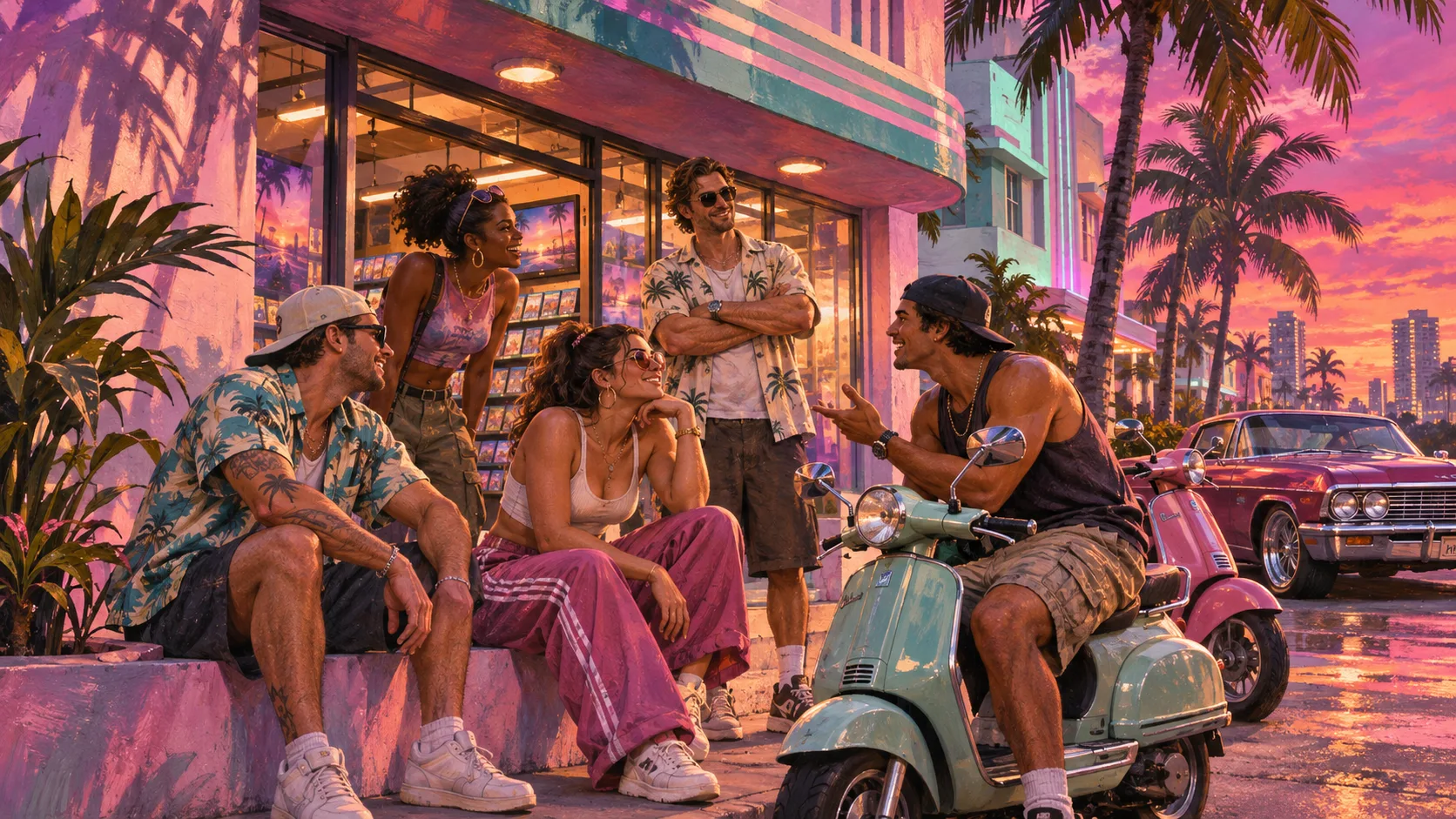
Two platform statements about their own stores
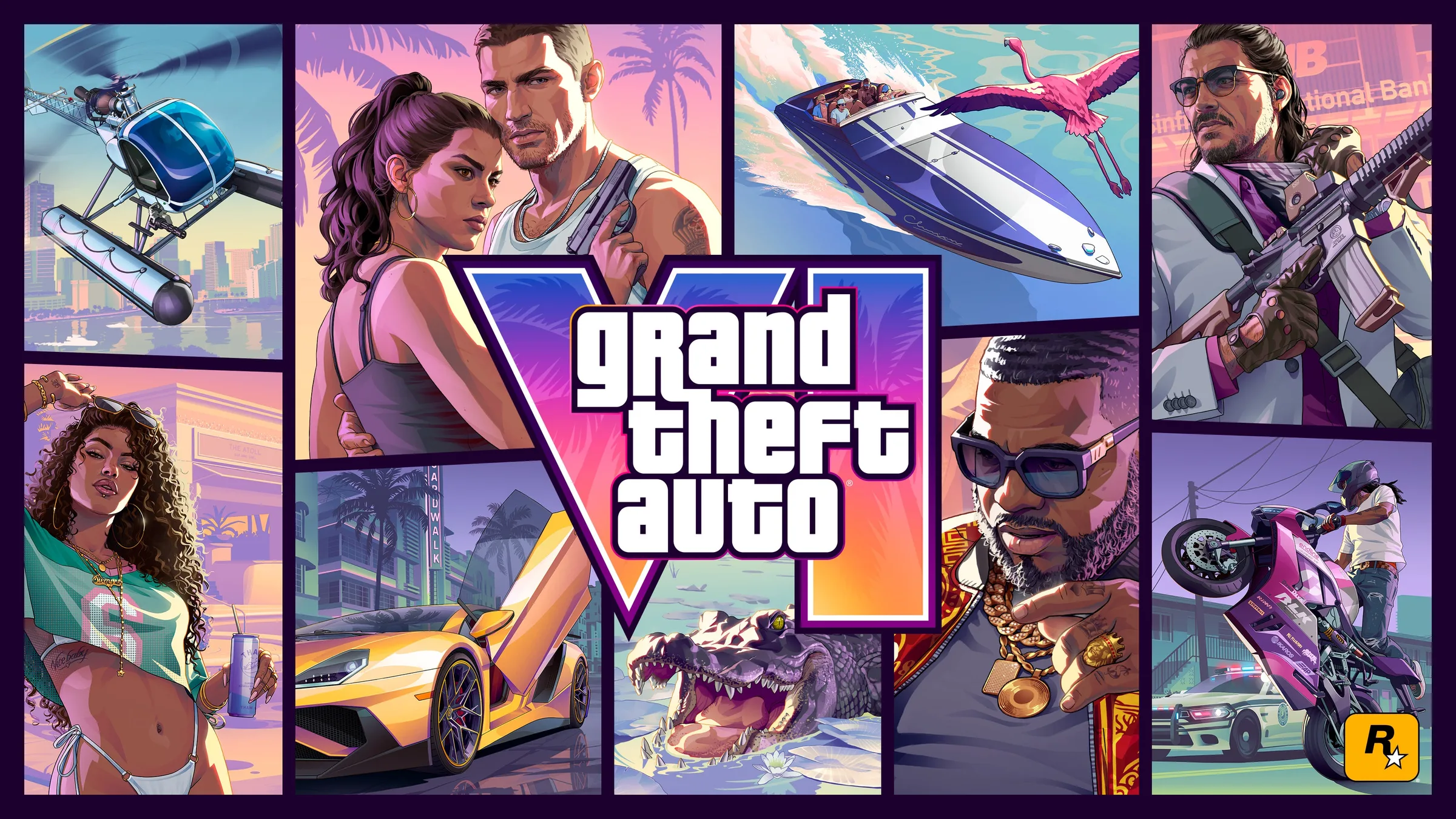
In its preload announcement, Sony describes GTA VI as the most-preordered game in PlayStation Store history. The post is dated November 10. On the same day, Xbox Wire reports a preorder record for Microsoft Store in its own coverage of the launch.
Each statement concerns the store named by the company publishing it. The announcements provide a historical ranking, rather than reservation counts, an edition breakdown, or a worldwide total across every retailer. A store record alone therefore cannot establish a numerical ranking of every launch in video game history.
That scope matters when comparing the news with headlines circulating on social media. The platforms are describing extraordinary demand through their own sales channels. These posts do not publish a consolidated report covering physical retailers, every other seller, or revenue already recognized by Rockstar.
Keep estimates and announcements in their own categories
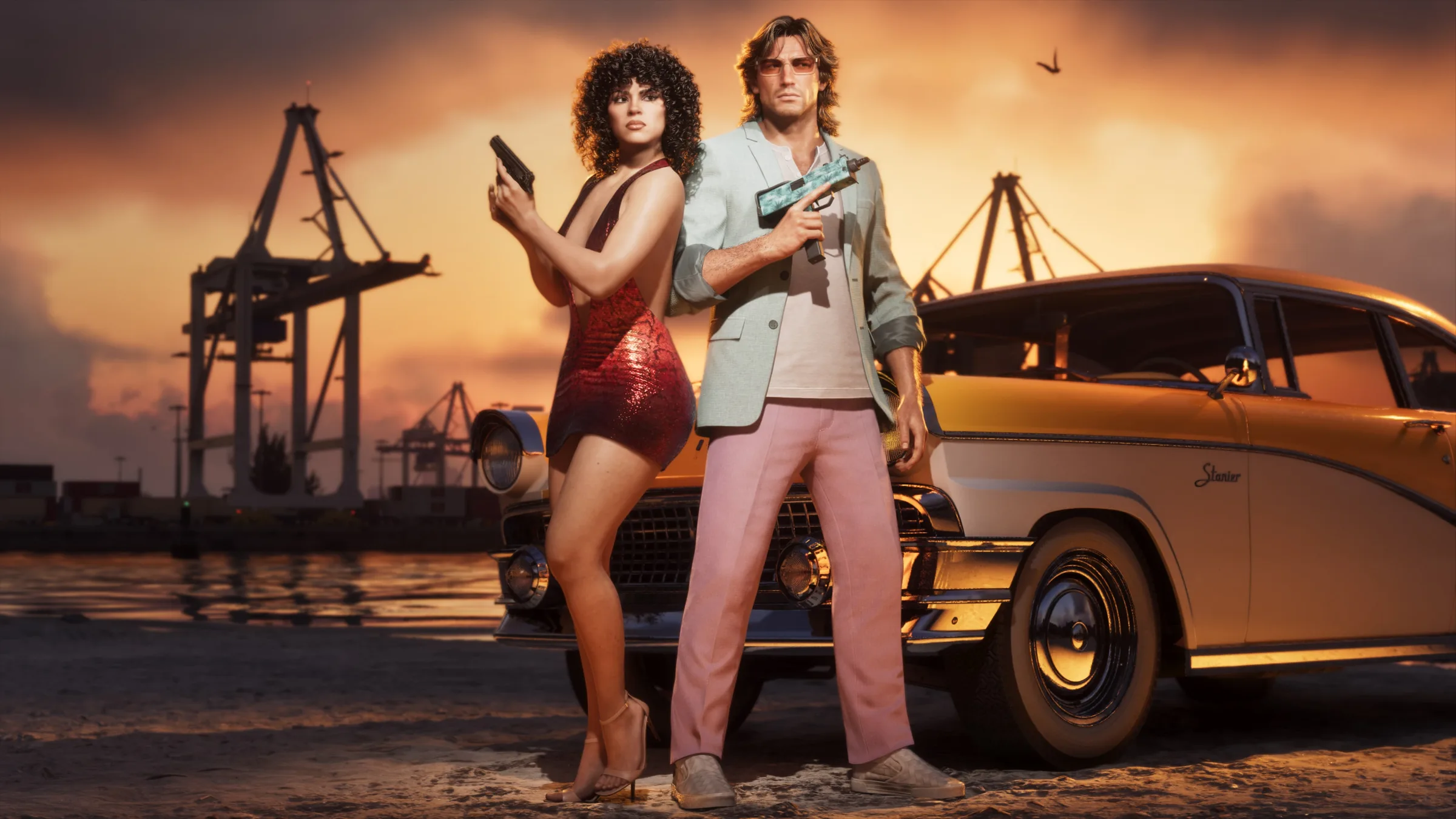
Market-analysis companies also publish estimates of game preorders. Our coverage of Sensor Tower’s reported figures explains why an estimate must retain its source, date, and limitations. Sony’s and Microsoft’s record claims do not automatically certify the unit totals supplied by an outside analyst.
Purchase-intent surveys address another question again: they measure what players say they plan to buy, rather than transactions. Our explanation of Circana’s U.S. survey covers that difference. Adding the results of these different categories would produce a misleading total.
The new information from November 10 is specific: each platform claims an all-time preorder record for its own store. A confirmed launch-sales total, the split between editions and retailers, and the related revenue would require a numerical disclosure explicitly covering those measures. Until then, the records can be reported without attaching an unsupported worldwide unit figure.
Keep reading

Source: GamesRadar+Credit: Rockstar Games via GamesRadar+ (27/11/2026) GTA VI: all 6 permanent stat upgrades (Mill Station, Kyle), 11 meditation spots, $2M BuckMe savings perks, and Silent Hill Easter egg
Guides published on November 27 and 28 map out the experimental syringe at Mill Station Radar Base, the mutated strawberry at McKittrick Farm, how 11 meditation spots add up to 18 sessions, the perks tied to depositing $2,000,000 into BuckMe Family Savings, plus Top Fun drone time trials and the Silent Hill tribute inside Crosstown’s Marbelle Hotel.
Source: GamesRadar+Credit: Rockstar Games via GamesRadar+ (27/11/2026) GTA VI: TeK’s 30 FPS PC multiplayer prototype, Belobug’s GitHub takedown, 25 hidden mechanics, and Clip & Fade salons
TeK’s modding group demonstrates an unofficial Grand Theft Auto VI PC multiplayer prototype with proximity voice chat as GitHub removes Belobug’s top AMD repository, while GamesRadar+ and PC Gamer detail 25 hidden DualSense mechanics and Clip & Fade’s signature salon styles.
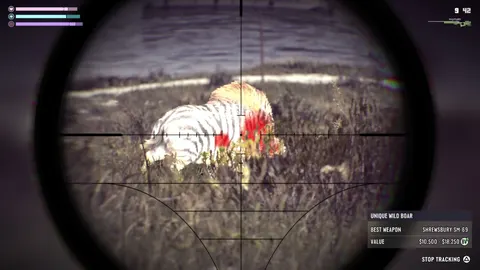
Source: Video Games ChronicleCredit: Rockstar Games via Video Games Chronicle (27/11/2026) GTA VI: all 9 Unique Snapmatic Animals for Bret (Karin Rebel), Yago’s Chapter 3 questline, and the Gallivanter Baller ST-D
Video Games Chronicle maps out all nine unmarked Unique Snapmatic Animals that Bret texts Jason to hunt for the Karin Rebel truck reward, while JeuxVideo.com and GamesRadar+ break down Yago’s Chapter 3 finale choice, Safe Word’s pool boy scene, and Randy’s Gallivanter Baller ST-D SUV.