
Reported by the press, with its sources.
GTA VI: Digital Foundry compares all 4 trailers to retail PS5 code, Thomas March defends Rockstar North, and Chapter 1 QTE design
Digital Foundry compares all four pre-release Grand Theft Auto VI trailers against the final PlayStation 5 retail build, while vehicle AI programmer Thomas March defends Rockstar North after the union ballot and critics examine Key Lento’s domestic QTEs.
By Alexandre BONGRAND
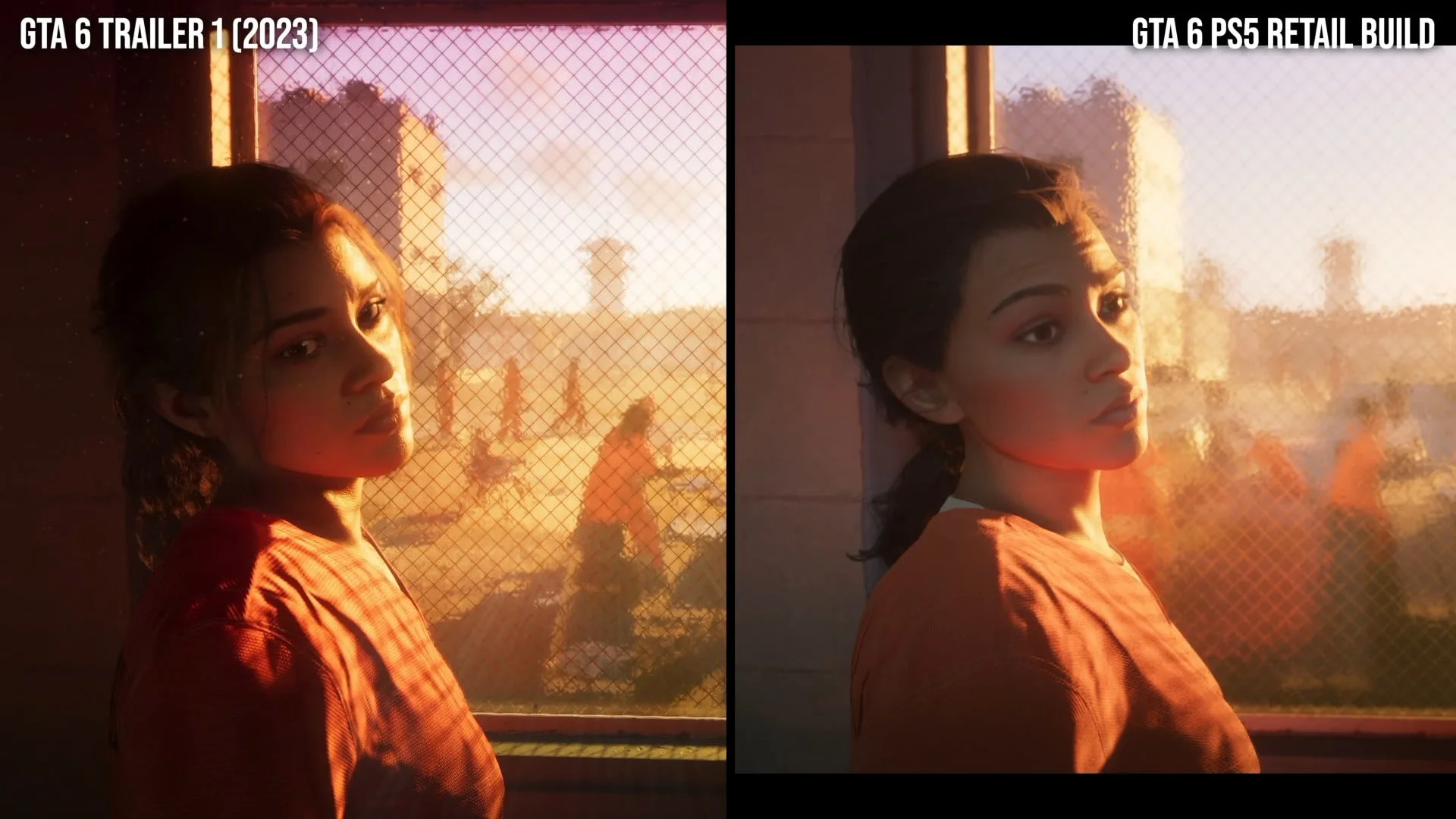
How did GTA VI’s visuals evolve from the four pre-release trailers to the final PS5 retail code?
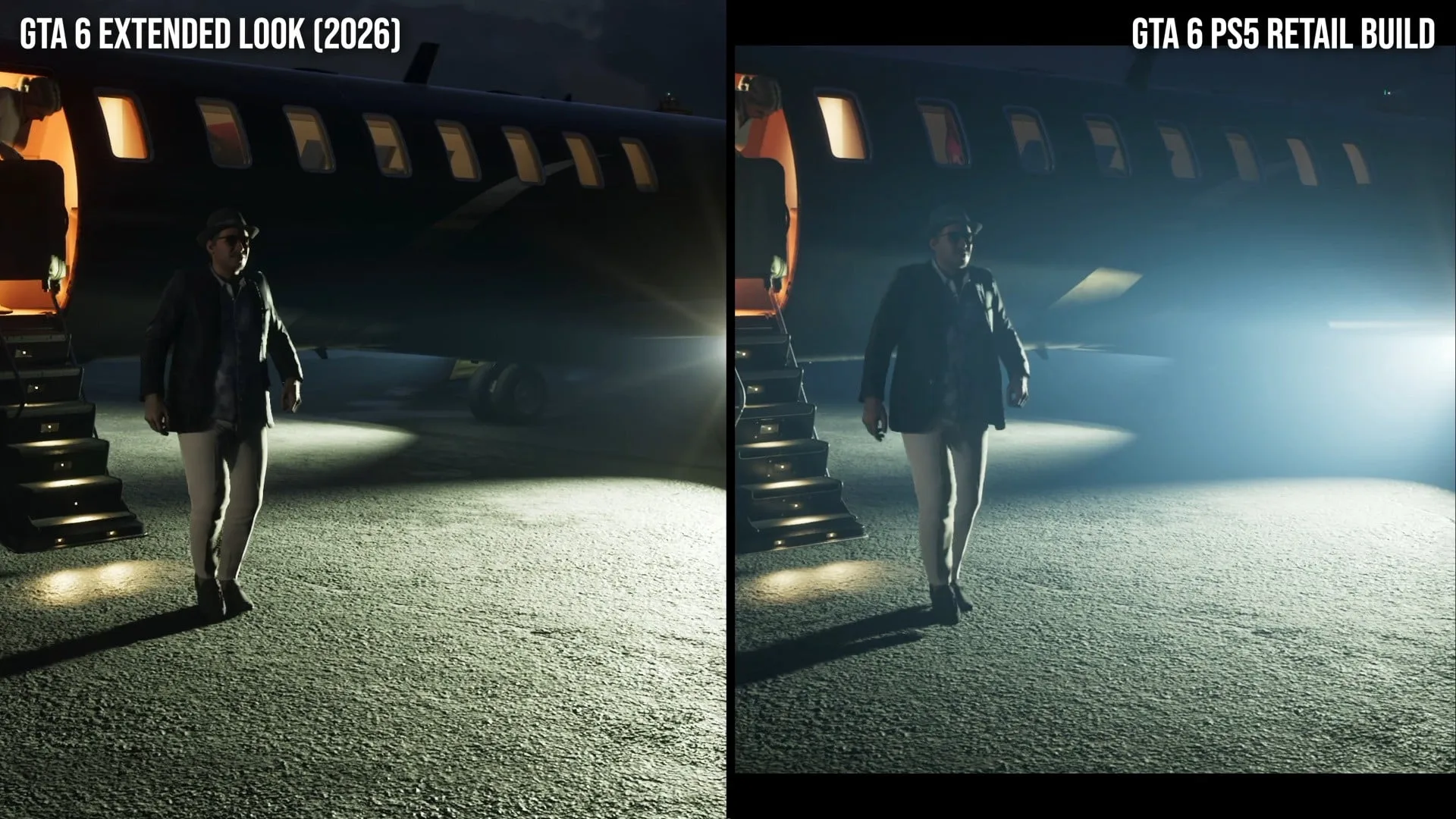
On Digital Foundry and YouTube, Oliver Mackenzie compares all four pre-release trailers of Grand Theft Auto VI against the shipping PlayStation 5 build, expanding on our coverage of Digital Foundry’s four-console comparison. Rather than suffering visual downgrades, the retail code refines character geometry and ray-traced lighting across four stages:
- Trailer 1 (December 2023): Ray-traced global illumination (RTGI) and reflections were already active, but strand-based hair lighting was less refined and the stark bounce lighting in Lucia’s prison introduction was later softened with fill lights.
- Trailer 2: Jason and Lucia received major model upgrades, better self-shadowing, and improved skin shading, paired with a sharp, painterly image reconstruction typical of AMD FSR 1 that was replaced in the retail build by a more natural spatial upscale.
- Extended Look (August 2026) and Launch Trailer: The 30-minute showcase covering Bricked Up, Party Hard, and First Impressions matches retail asset quality, while the shipping build fixes minor RAGE animation stutters (despite occasional drops below 30 FPS during dense driving where 120 Hz VRR/LFC support would help). Simulated lens blur and bloom from the launch trailer were reserved for flashbacks.
Why is vehicle AI programmer Thomas March defending Rockstar North after the union ballot?
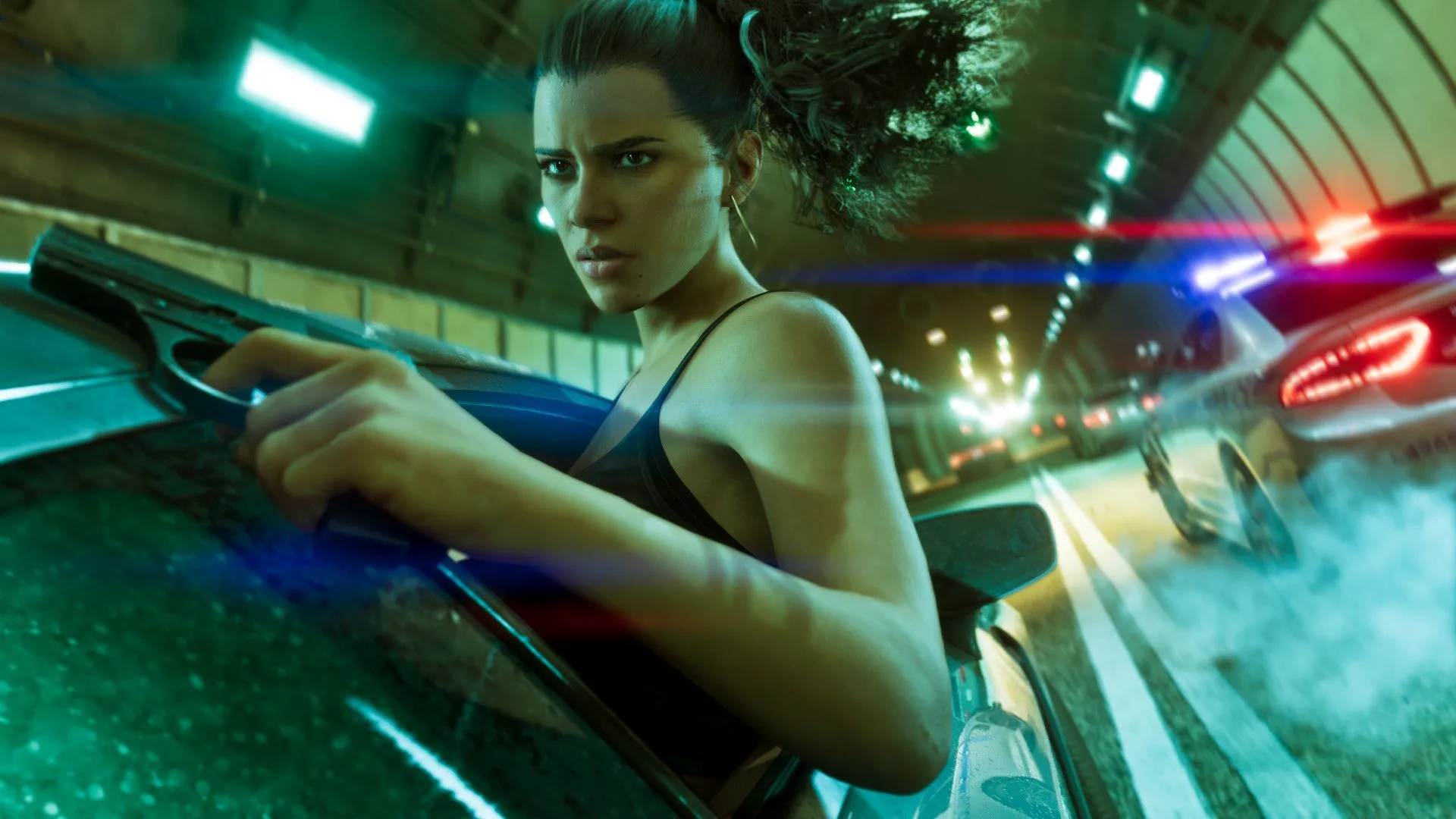
Following Rockstar UK workers rejecting IWGB union recognition by 75.3% (1,163 votes against vs. 381 in favor on a 93.2% turnout), GamesRadar+ highlights a LinkedIn statement by Thomas March, Associate Principal Vehicle AI Programmer at Rockstar North.
March explains that he voted against union recognition because he has felt more respected and cared for at Rockstar than at any previous studio, calling it frustrating to hear the IWGB claim developers were being exploited or celebrate the game’s delay. He emphasizes that he never worked a minute of overtime that was not purely his own decision, noting that every extra minute was repaid with interest while senior management regularly stayed later than he did. His view contrasts with post-launch layoff concerns voiced by animation programmer Nestor Uriarte and union support from Clair Obscur: Expedition 33 writer Jennifer Svedberg-Yen.
How do Chapter 1’s domestic QTEs and Key Lento routine build attachment to Jason and Lucia?
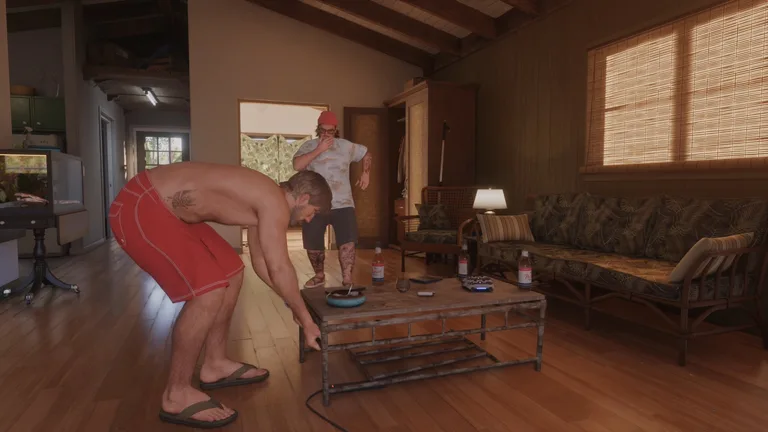
Finally, JeuxVideo.com and GamesRadar+ examine why players embrace Chapter 1’s contextual quick-time events (QTEs) and slice-of-life pacing in Key Lento, echoing our feature on 41-hour Chapter 1 roleplay routines and our Leonida encyclopedia.
Beyond the bench-press mechanic requiring dual rear triggers and rapid X or A taps to lift a 120 kg barbell without draining stamina, three domestic QTE sequences put the controller directly in your hands before the Tourist Trap turning point: renovating Brian’s waterfront house (drywall, paint, roof, stairs, and railing), rearranging the living room furniture with Cal, and assembling the coffee table ordered by Lucia.
Sources
- Digital Foundry — How GTA 6’s graphics evolved from pre-release trailers to the final game
- Digital Foundry (YouTube) — Grand Theft Auto 6 Evolution: Pre-Release Trailers vs Final Game
- GamesRadar+ — GTA 6 dev defends Rockstar after landslide vote against union deal
- JeuxVideo.com — GTA 6 a l’immunité, même pour une fonctionnalité que les joueurs détestent habituellement
- GamesRadar+ — Forget Vice City, I wish GTA 6 had let me spend the entire game as a Key Lento himbo
Keep reading

Source: GameRantCredit: Rockstar Games via GameRant (28/11/2026) GTA VI: Novak Watch heist at Rococo Rich (code 5853), Vangelico Ring for Yasmani (1282 and 2407), selling DaCity Coin at $5.05 ($25,250), and 6 race types
Three November 28 GameRant guides break down infiltrating Rococo Rich in stealth for the Novak Watch (code 5853), robbing Kowalski (1282) and Skala Diamonds (2407) for Yasmani’s Vangelico Ring, and selling 5,000 DaCity Coins at their $5.05 peak ($25,250), alongside TheGamer’s 6 race types.
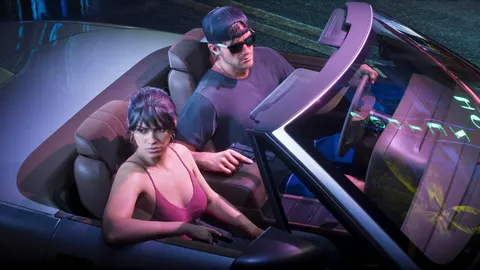
Source: DexertoCredit: Rockstar Games via Dexerto (27/11/2026) GTA VI: Ned Luke defends Lucia against “woke” claims, Evelyn Stone’s Deep Roots memorial, storm chaser Reed Timmer on hurricanes, and Metacritic score
Speaking with Dexerto and TheGamer, 2013’s Michael De Santa actor Ned Luke defends Lucia Caminos against “woke” claims targeting Grand Theft Auto VI, while Polygon contrasts the 99/100 Metacritic score with 53,754 negative user reviews, Bradley Stone honors his daughter Evelyn at Deep Roots, and Reed Timmer praises hurricanes.
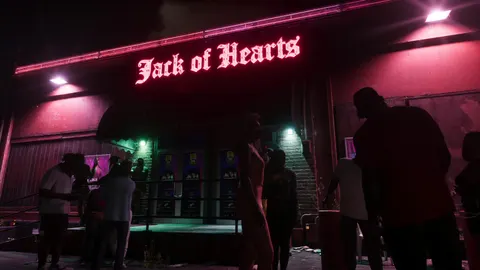
Source: PC GamerCredit: Rockstar Games via PC Gamer (28/11/2026) GTA VI: “surreal” launch per Rob Nelson, real tradespeople roast Jason’s DIY repairs, Criminal Profile as an RPG system, and Vice City clubs
Rob Nelson admits that even Rockstar North veterans felt like launch day might never arrive, while real-world roofers and drywallers dissect Jason’s Key Lento home repairs, IGN reframes the Criminal Profile as an RPG class system, and PC Gamer praises Vice City’s Big Three nightclubs.